Digital twins in construction: A practical guide
A digital twin is a living model of your building. See real-time data from sensors, predict maintenance needs, and optimize performance everyday.

"Stacking Atoms" is a series by Foundamental that explores construction's unique processes, hidden workflows, and unwritten rules and norms across different segments, stakeholder profiles, and global markets. Stacking Atoms is for all those hungry to learn about construction and AEC - the founders, the innovators, and the experts with a passion to pick up new knowledge about the building-world. Our intention is not to perfectly describe the last bit of detail - a monumental task we would never succeed in, anyway, as that knowledge lives in the minds of construction's best practitioners. Rather, we aim to spotlight a good amount of detail so the brightest founders and innovators can connect with the brightest minds in construction around the workflows that matter.
A digital twin is not just a 3D model. It's a living, continuously updated digital replica of a physical building or infrastructure asset. While Building Information Modeling (BIM) captures a building's design, a digital twin goes further. It connects that model to real-time data from sensors, systems, and operations, creating a dynamic representation that changes as the building changes.
For construction founders, digital twins in construction represent one of the most significant opportunities in the industry. They're reshaping how buildings are designed, constructed, operated, and maintained. Understanding what they are and why they matter is essential.
The simple definition
A digital twin is a virtual representation of a physical building or infrastructure asset that integrates design data (from BIM), real-time sensor data, operational information, and historical performance data. It updates continuously as the building changes and operates.
That's the basic definition. But what makes a digital twin powerful is what you can do with it: simulate performance before construction, track actual performance during construction, monitor building systems in real-time during operations, predict maintenance needs, optimize energy usage, and identify problems before they become emergencies.
How digital twins differ from BIM
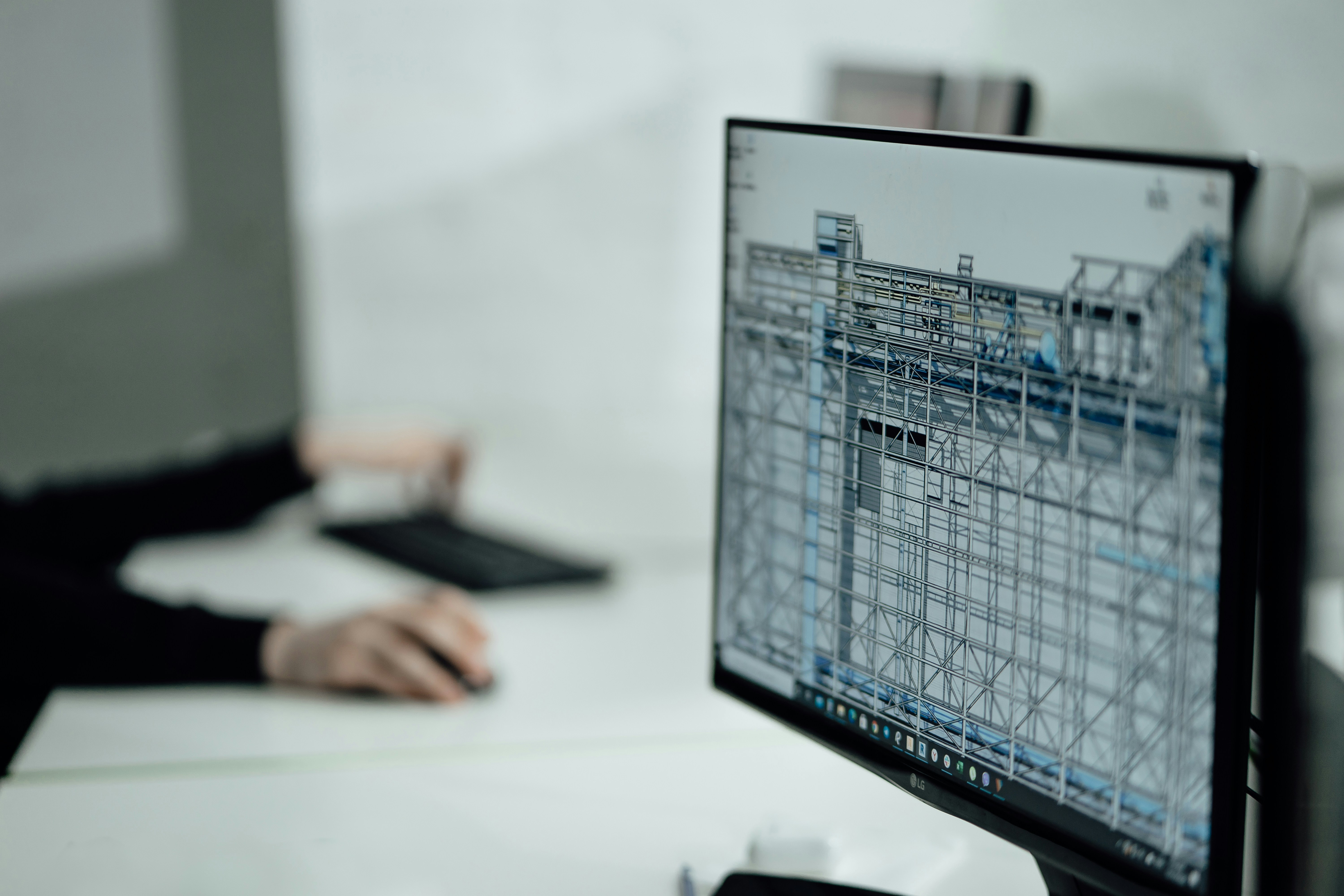
This is a common source of confusion. BIM and digital twins are related but distinct. Put simply, the difference between digital twins and bim is scope, timing, and the inclusion of real-time operational data.
Building Information Modeling (BIM) is the process and model used to design and plan a building. It's primarily a static or design-phase tool. An architect creates a BIM model showing structural elements, mechanical systems, electrical layouts, and cost data. The model is detailed but doesn't change much after construction is complete.
A digital twin takes that BIM model as a starting point and extends it throughout the building's life. It incorporates real-time data from sensors and building systems. Temperature sensors feed data about actual thermal performance. Occupancy sensors track how spaces are actually used. Equipment sensors monitor when systems need maintenance. The twin evolves continuously.
Think of it this way: BIM is the blueprint. A digital twin is the blueprint that knows what the building is actually doing right now.
The three layers of a digital twin
A functional digital twin has three components working together.
Layer 1: The Geometric Model This is the foundation. It comes from BIM or other design tools. It shows the building's spatial layout, structure, systems, and components. This layer doesn't change much. It's the "shape" of the building.
Layer 2: Real-Time Data Integration Sensors throughout the building feed live information: temperature, humidity, occupancy, equipment status, energy consumption, structural movement, water flow, air quality. This data streams into the digital twin continuously, sometimes updating every few seconds.
Layer 3: Analytics and Intelligence The digital twin doesn't just collect data. It analyzes it. Algorithms compare actual performance to designed performance. Machine learning models predict failures before they happen. Dashboards show building managers what's happening right now and flag problems automatically.
All three layers work together. The model provides context. The data shows what's happening. The analytics make sense of it.
Digital twins during construction
The construction phase is where digital twins start to show their value—often called digital twins construction in industry discussions.
4D Simulation and Sequencing Before construction begins, contractors use the digital twin to simulate the construction sequence. They can test different approaches to building assembly, identify bottlenecks, and optimize worker flow. If installing a mechanical system creates conflict with structural work, the simulation reveals this before crews hit the jobsite.
Progress Tracking As construction proceeds, teams update the digital twin with actual progress. They compare what's happening on site to the planned sequence. Delays become visible immediately. If a delivery is late or a subcontractor falls behind, the impact on downstream work is calculated automatically. Project managers can adjust plans before problems cascade.
Quality and Compliance Construction teams use the digital twin to verify that work matches specifications. Photos from the jobsite are compared to the model. Measurements are checked against design intent. Defects are identified and logged directly in the twin, creating a record of what happened where and when.
Cost Tracking The digital twin integrates with cost data. Material purchases, labor hours, equipment rental fees feed into the model. Actual costs are compared against budget in real-time. Cost overruns are visible immediately rather than discovered at the end.
Safety The digital twin can integrate with wearable sensors, tracking worker location and movement. If a worker enters a dangerous area, the system alerts them. If an accident occurs, the geometric model shows exactly what workers were doing and where they were when it happened.
Digital twins during operations
This is where digital twins truly shine. After construction ends and operations begin, the digital twin becomes an operational tool.
Real-Time Building Performance The twin shows how the building is actually performing compared to how it was designed to perform. If HVAC systems are consuming more energy than expected, the twin identifies why. If occupancy patterns differ from assumptions, the twin shows the impact.
Predictive Maintenance Rather than replacing equipment on a fixed schedule, building managers use the twin to predict when equipment will fail. Sensors on chillers, pumps, and compressors feed vibration, temperature, and performance data into the twin. Algorithms predict failure weeks or months in advance, allowing maintenance teams to schedule repairs before equipment breaks.
Optimization The twin continuously suggests ways to improve performance. If adjusting damper settings would reduce energy consumption, the twin calculates the savings and recommends the change. If occupancy data shows that certain zones are underutilized, the twin suggests reallocating space.
Emergency Response If a fire, flood, or other emergency occurs, the digital twin helps responders understand the building instantly. They see exactly where people are, the fastest exits, the locations of hazardous materials, and the status of all building systems.

Why digital twins matter
The business case for digital twins is straightforward.
Cost Reduction Predictive maintenance prevents expensive emergency repairs. Energy optimization reduces operating costs by 10-30% according to industry reports. Efficient construction sequences reduce schedule and labor costs. Over a building's 30-50 year life, these savings add up to millions.
Risk Reduction Digital twins identify problems before they become expensive. Structural issues are caught early. Equipment failures are prevented. Safety hazards are identified and mitigated.
Performance Improvement Buildings perform better when they're monitored and optimized continuously. Tenant satisfaction increases. Property values increase. Return on investment improves.
Decarbonization Digital twins help building owners reduce carbon footprint. By optimizing energy systems, reducing waste, and improving operational efficiency, buildings can meet climate goals while reducing operating costs.
How digital twins are built
Creating a digital twin requires three technical components working together.
Step 1: Geometric Modeling
The process starts with Autodesk Revit or similar BIM authoring tools. These create the geometric foundation, the 3D model that represents the building's spatial layout, structural systems, and mechanical installations. Bentley Systems provides similar capabilities for infrastructure projects. This geometric model is the baseline that everything else connects to.
Step 2: Sensor and Data Integration
Real-time data flows in from thousands of sensors. Temperature sensors, occupancy sensors, equipment monitors, and energy meters feed continuous streams of information into the digital twin. Cloud platforms like Microsoft Azure Digital Twins and AWS IoT handle the infrastructure needed to collect, store, and process this massive data volume. These platforms manage the computational power required for real-time updates and analysis.
Specialized Construction Tech Companies like Fieldwire and Touchplan are integrating digital twin capabilities into construction management workflows, allowing teams to track progress and coordinate work against the model in real-time.
Step 3: Analytics and Visualization
Once data is collected, analytics engines extract meaning. Companies like Fieldwire and Touchplan are integrating digital twin capabilities into construction management workflows, allowing teams to track progress and coordinate work against the model in real-time. Schneider Electric and Honeywell provide digital twin platforms specifically designed for building operations and energy management. These systems have decades of expertise in facilities management and integrate that knowledge into their digital twin offerings.
The real technical challenge: data integration
Building a digital twin is technically possible. Making it work at scale is harder.
The core issue is fragmentation. A typical building has sensors and systems from multiple vendors. HVAC systems from one manufacturer, lighting controls from another, security systems from a third. Each system generates data in different formats, on different schedules, using different standards.
Getting all that data to flow into a single digital twin requires solving data standardization problems. The IFC (Industry Foundation Classes) standard helps with this on the design side. But operational data from building systems still lacks universal standards. Some buildings have solved this through custom integrations, essentially writing code to translate between systems. Others use middleware platforms that act as translators.
A second challenge is data governance. Who owns the digital twin? Who can access what data? What happens to the data after the building is handed over to the owner? These aren't just technical questions. They're organizational and contractual questions that need to be resolved before sensors are installed.
A third challenge is data volume. A building with comprehensive sensor networks can generate terabytes of data monthly. Storing all of it is expensive. Processing all of it in real-time is computationally intensive. Most digital twin projects make strategic decisions about what data to keep, what to delete, and what to archive. This requires upfront planning
Digital twins and AI
Artificial intelligence and machine learning are becoming essential components of digital twins.
Predictive Analytics Machine learning models analyze historical data to predict future performance. If a chiller has a particular vibration signature before failure, AI algorithms learn to recognize that signature and alert maintenance teams.
Anomaly Detection AI systems identify unusual patterns in building data. If energy consumption spikes without explanation, the system alerts building managers. If occupancy patterns change significantly, the system flags it.
Optimization AI algorithms continuously optimize building systems. HVAC setpoints are adjusted based on occupancy, weather, and energy prices. Lighting is adjusted based on daylight and occupancy. Over time, these small optimizations compound into significant energy and cost savings.
Generative Design During the design phase, AI can generate multiple building designs that meet performance targets. Rather than designing a single building, architects can explore dozens of options, each optimized for different criteria (cost, energy, carbon, flexibility).
Real-World applications: Where digital twins create value
Different stakeholders use digital twins for different purposes.
During Construction General contractors use digital twins in construction to compare actual progress against planned sequences. When construction falls behind, the impact on downstream trades is calculated immediately. Material deliveries are tracked in the model. Safety incidents are documented with exact location and context. Project managers can make real-time adjustments rather than discovering problems in weekly reports.
During Operations Building owners use digital twins to manage maintenance, optimize energy consumption, and track space utilization. Instead of replacing equipment on a fixed 5-year cycle, maintenance teams replace it when sensors predict failure. Instead of heating and cooling the entire building uniformly, HVAC systems adjust based on occupancy. Instead of guessing how many meeting rooms are needed, space planning is based on actual usage data.
For Renovation and Retrofit When buildings are renovated or retrofitted, the digital twin provides the exact baseline. What's actually in the walls? What systems exist? The digital twin becomes the source of truth for planning changes. This reduces uncertainty and change orders.
For Sustainability Reporting Building owners increasingly need to report carbon emissions and energy performance to investors and regulators. The digital twin automatically aggregates this data. Reporting that once took months now takes hours.
Conclusion
A digital twin is far more than a 3D model. It's a digital representation that evolves with the physical building it represents. It connects design intent to actual performance. It enables simulation, optimization, and prediction across the building's lifecycle.
For building owners and operators, digital twins reduce costs, improve performance, and enable data-driven decision making. For construction teams, they improve coordination, reduce rework, and create visibility.
For founders, digital twins represent a fundamental shift in how the construction industry works. The technology is moving from novel concept to standard practice. The platforms and tools are still being built. The opportunities are substantial.
The construction industry is becoming a data-driven, technology-enabled industry. Digital twins are at the center of that transformation.
Frequently Asked Questions (FAQ)
What's the difference between a digital twin and a 3D model? A 3D model is a static geometric representation. A digital twin is a dynamic, continuously updated representation that integrates real-time data from sensors and systems. A digital twin is like a living, breathing version of the model.
How much does a digital twin cost? Costs vary widely depending on building size, complexity, and the level of sensor integration. A simple digital twin for a small building might cost $50,000 to $100,000. A comprehensive digital twin for a large, complex building with extensive sensor networks could cost millions. But the ROI from energy savings, predictive maintenance, and improved operations typically justifies the investment within 3-5 years.
Can you retrofit an existing building with a digital twin? Yes, but it's more complex than incorporating digital twins into new construction. You need to model the existing building accurately, which requires laser scanning or detailed documentation. Then you need to install sensors and connect them to the digital twin. It's possible but requires more work than building in a digital twin from the start.
What data does a digital twin collect? That depends on the twin's purpose. An energy-focused twin might collect temperature, humidity, occupancy, and energy consumption data. A facilities management twin might also track equipment maintenance, work orders, and space utilization. A structural monitoring twin might include vibration, strain, and movement data. Most comprehensive twins collect data across multiple categories.
Who owns the digital twin data? That's a complex question with legal and contractual implications. Generally, the building owner owns the data, but architects, contractors, facility managers, and others may have legitimate interests in the data. Digital twin projects should clarify data ownership and access rights from the start.
Is a digital twin the same as Building Information Modeling? No. BIM is primarily a design and planning tool. A digital twin extends BIM with real-time operational data and continuous updates throughout the building's life. BIM is the starting point for a digital twin, but they're distinct concepts. This also summarizes the practical difference between digital twins and bim for teams comparing approaches.
What skills do I need to work with digital twins? Digital twins require interdisciplinary teams: architects and engineers who understand building systems, data scientists and engineers who can integrate and analyze data, software developers who can build applications, and domain experts (facility managers, contractors, building operators) who understand how buildings actually work.