

Masonry construction: units, mortar and wall types explained
Masonry construction is a way of building in which separate units, most often brick, concrete block or stone, are laid in rows and joined together with mortar to form walls, columns, arches and other parts of a structure. The units carry weight mainly by pressing down on each other, and the mortar spreads that load evenly across the surfaces between them. Many masonry choices come down to three things: which unit is used, which mortar is used, and whether steel reinforcement is added.
What is masonry construction?
A masonry wall is an assembly of several parts, not a single product. Along with units and mortar, it usually includes grout, steel reinforcement, ties or anchors, flashing, small drainage openings and movement joints. When finished masonry has a problem, the cause often lies in one of these smaller parts rather than in the units.
In masonry, "bond" can mean three different things:
- It can mean how the units are tied together so the wall works as one strong piece.
- It can mean the pattern the units make on the face of the wall.
- Or it can mean how well the mortar sticks to the unit.
A "running bond" wall, for example, is just a name for a pattern, not a measure of strength.
Mortar joins units together and is mixed thick, so it holds its shape in the joint. Grout is a runny mix poured into hollow spaces, usually to surround steel reinforcement and lock it into the wall. A wythe is a single vertical layer of masonry, so a single-wythe wall is one unit thick.
Masonry is used in many kinds of buildings. It is a common way to build the walls of houses. It is also used as a covering layer over a frame or block wall, in places like schools, shops, warehouses and taller apartment buildings. Some parts of a building use masonry for a special reason. Walls between two homes, or walls near stairs, often use masonry because it resists fire well. Outdoor walls, like garden or retaining walls, use masonry because it lasts a long time outside. Chimneys and fireplaces use masonry because it can handle heat.
Masonry materials
The unit a builder picks depends on how much weight it needs to hold, what materials are easy to get nearby, the weather in the area, and how the wall should look. The different types of masonry materials used are:
- Clay brick is made by firing clay in a kiln. This is done to ensure that the colour doesn't fade and, in many climates, provides good resistance to repeated freezing and thawing. Bricks are sorted by grade and type, which depend on how durable they are, how much water they absorb and how much load they can take.
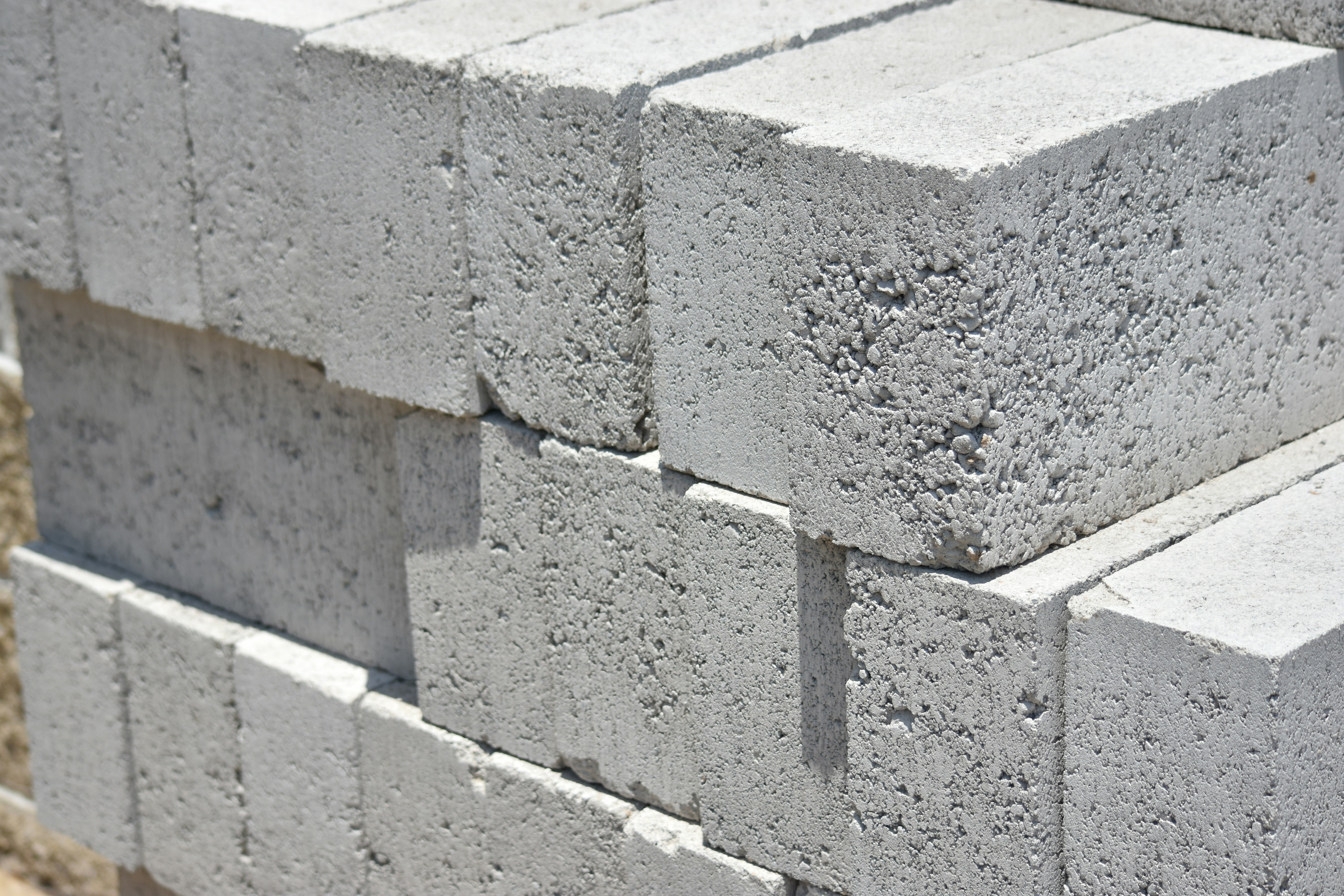
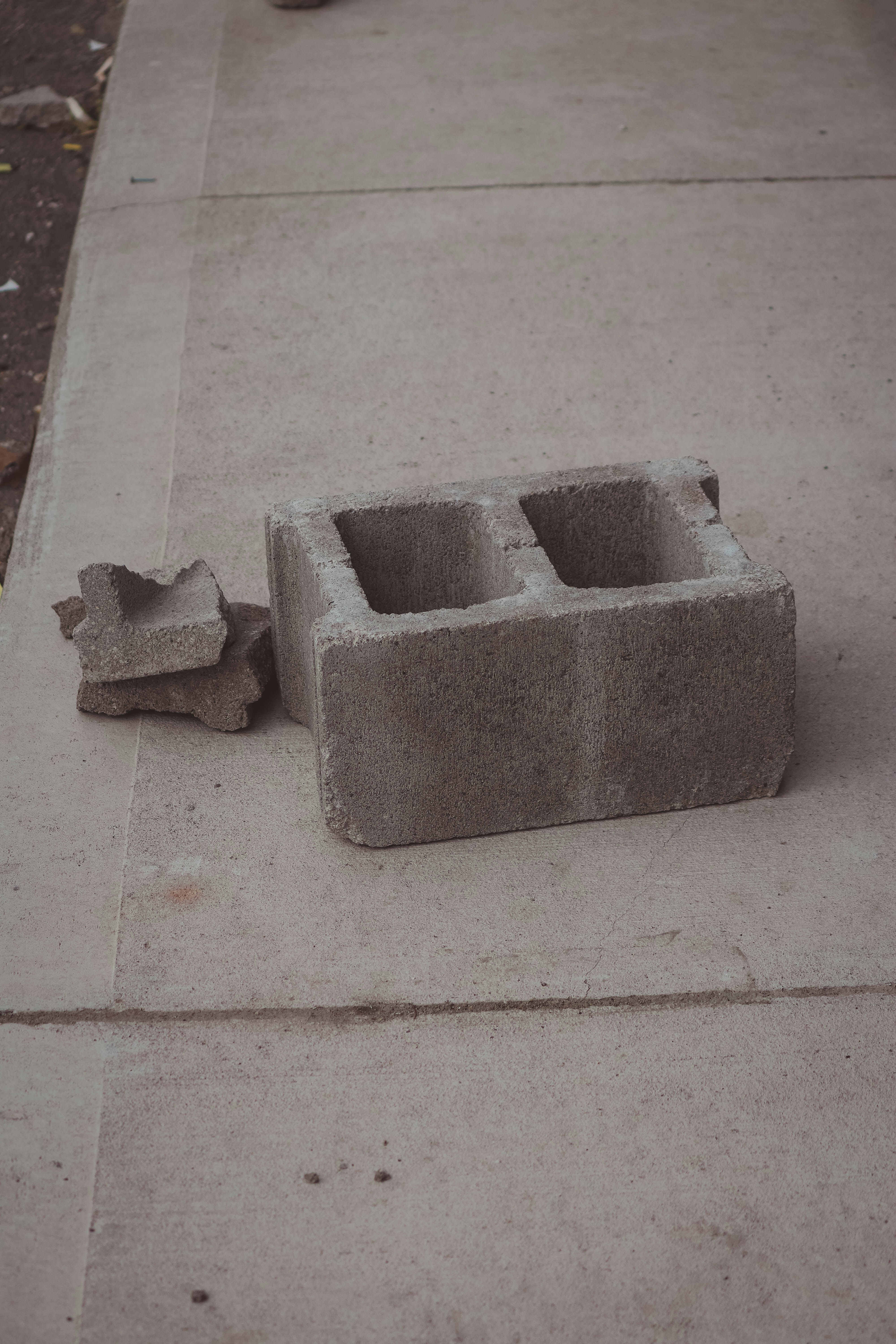
- Concrete masonry units, often called CMUs or concrete blocks, are moulded from cement, aggregate and water. They are larger than brick, so each one covers more of the wall, and their hollow spaces can hold steel and grout, which makes them common in walls that carry load. Cement is the main source of a block's carbon footprint, so the mix is an area where change is happening. CarbonBuilt, for example, provides ultra-low carbon concrete masonry and hardscapes by replace part of the cement with their proprietary binder.
- Autoclaved aerated concrete (or AAC) blocks, hold tiny air pockets that give better insulation than solid units, at a lighter weight. Infra.Market manufactures AAC blocks at large scale as an alternative to fired clay brick.
- Natural stone is cut or shaped and laid either in neat rows or in a rougher, irregular pattern. It tends to appear on building fronts, low walls and restoration work rather than in routine new building. Other units include glass block for walls that let light through and thin brick, which is a facing rather than a load-carrying unit.
Mortar and grout
Mortar is a mix of cement, lime, sand and water. It also helps stop water and air from getting through the wall, fills small gaps between uneven units, and holds onto the metal ties and steel bars in the wall.
Mortar comes in different strengths for different jobs. One widely used system, ASTM C270, sorts mortar into types running from stronger mixes, used where higher loads are expected, down to softer mixes used for light interior work and some repair. Softer mixes are often chosen for older buildings, where a mortar stronger than the surrounding units can push stress into the units and make them crack or flake.
Grout is mixed runny, so it flows into the hollow spaces inside blocks or into gaps in a wall, and settles around any steel bars placed there. Once grout hardens, it locks the steel bars to the surrounding units, so they work together to resist bending and pulling. Builders usually pour grout in small stages instead of all at once, so the weight of new grout does not push out the layers below it. Small openings are often left at the bottom of the wall so builders can check inside for gaps or debris before pouring the grout.
Types of masonry walls
The different types of masonry walls are:
- Unreinforced masonry uses only units and mortar. It handles downward pressure well but has limited ability to resist pulling and sideways force, so its use is often limited in areas prone to earthquakes.
- Reinforced masonry places steel bars in grouted spaces, running up and across the wall, so it can better resist bending, wind and earthquake forces. This is a common approach for load-carrying block walls.
- Confined masonry builds the masonry panel first, then casts a frame of reinforced concrete around it. It is widely used for housing and behaves differently from a concrete frame that is simply filled in with masonry, even though the two can look alike once finished.
- Cavity and veneer walls set the outer masonry apart from the structure behind it, leaving an air gap, and tie the two together with metal ties. The outer layer is treated as a drainage surface. Water is expected to get into the outer masonry, so flashing at the base and small openings above it give the water a way back out. Blocked openings and mortar dropped into the air gap are among the more common causes of water problems in this kind of wall.
How is masonry built on site?
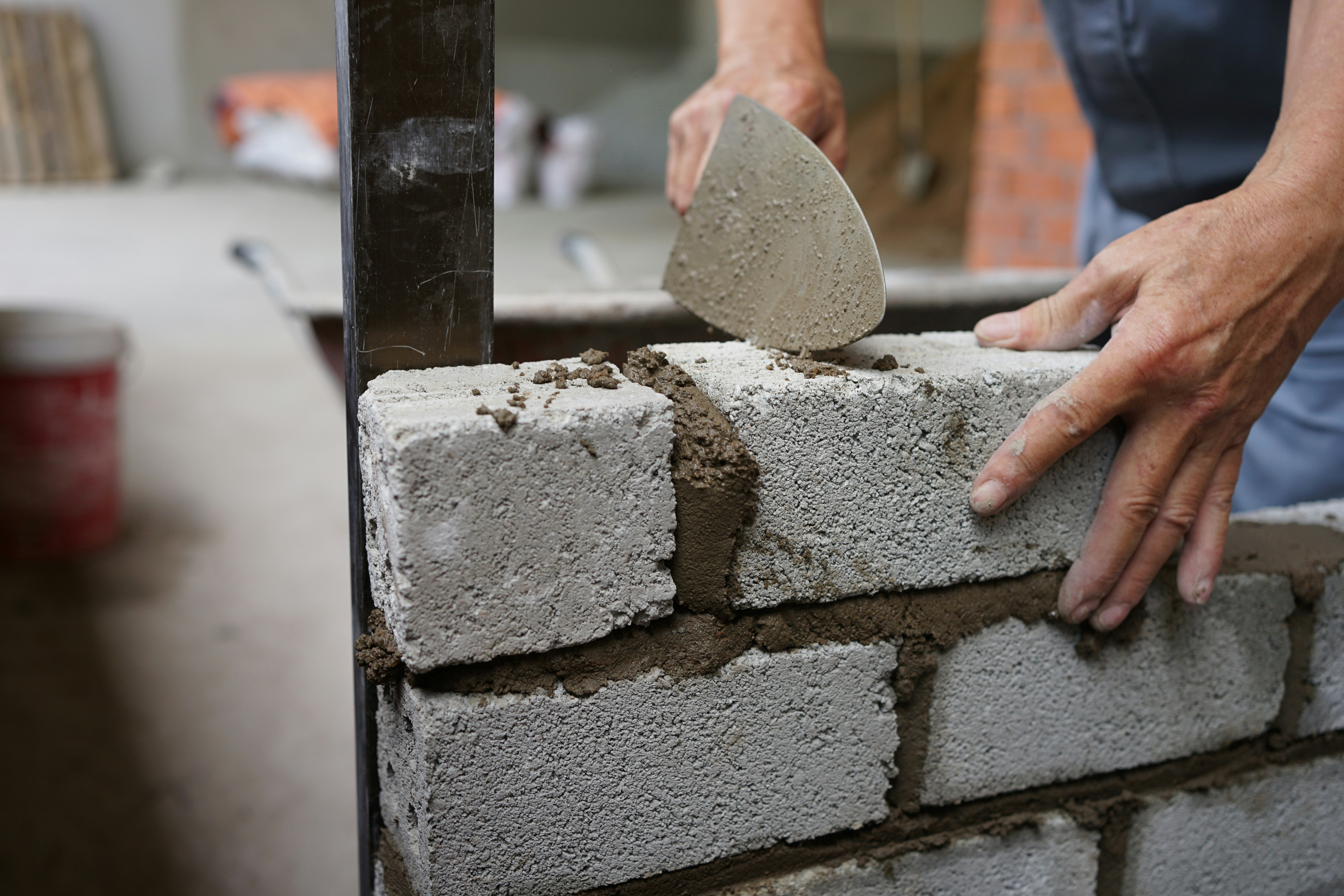
Building mortar on site usually starts by marking out where the wall will go and checking if it matches the plans. Masonry units are a set size, so small mistakes can add up across a long wall. Masons often build the corners of the wall first, called the leads, then stretch a string line between the corners and fill in the rows in between, following the line.
Once the mortar starts to firm up, builders shape the joints into a chosen style. For example, curved or V-shaped joints are common on outside walls, because they press the mortar tightly and help rain run off instead of soaking in.
Builders also plan movement joints, gaps that let the wall expand or shrink a little without cracking. Clay brick tends to grow very slightly over time, so its joints leave room for that growth. Concrete block tends to shrink slightly over time, so its joints are placed to control where any cracks might form. These joints are usually placed closer together near doors and windows.
Weather can affect the work. Hot, dry, windy days can dry out mortar too fast before it has time to set properly. Freezing weather can damage mortar before it gains enough strength. Because of this, many building sites follow special rules for building in very hot or very cold weather. Cutting or drilling into masonry also creates fine dust, which can be harmful to breathe in, so workers often use water or dust-catching tools to keep the air clean.
Uses of masonry
Masonry appears in many kinds of building. In much of the world it is the usual choice for the walls of houses. Elsewhere it is more often used as a facing over a frame or block wall behind, together with load-carrying block in schools, warehouses, shops and taller residential buildings.
Some uses rely on a particular quality of masonry: walls between properties and around stairs for fire resistance, retaining and boundary walls for durability outdoors, and chimneys and fireplaces for their resistance to heat.
Benefits and limitations of masonry
Masonry tends to be chosen for its durability, fire resistance, sound control and its ability to slow the flow of heat through a wall, which can help with comfort and energy use. Once built, it generally needs little upkeep beyond checking, repointing and looking after the joints and flashing.
The limits are practical. Masonry needs skilled labour, which can be hard to find. It is sensitive to weather while being built, is often slower to put up than framed or panel systems, and is heavy, which affects the foundations. Water-related faults such as staining, flaking and cracking usually come back to the detailing and the quality of the work rather than the units themselves.
Technology in masonry
A few new tools are changing parts of how masonry gets built. Robotic systems can place units and mortar under software control while masons handle the marking out, detail work and finishing. Monumental is one example, using robots that build masonry walls on active sites. Digital tools can also copy wall positions straight from a computer plan onto the floor, which cuts down on manual measuring.
Before building starts, working out quantities has moved from counting by hand toward software that measures wall areas and openings from drawings and turns them into unit, mortar and steel quantities. Prefabricated masonry panels, built in a factory and lifted into place, move part of the work off site.
Conclusion
Masonry construction comes down to a small set of linked choices: the unit, the mortar, whether the wall holds steel, and how water and movement are handled. The materials range from fired clay brick and concrete block to AAC and natural stone, each with a different weight, insulation and strength. Wall types run from simple unreinforced walls through reinforced block to tied veneer walls. On site, the work depends on sequence and weather, and most long-term problems come from the detailing rather than the units. Robots, digital layout and factory-made panels are changing parts of the process, though the basic idea of laying units in rows and joining them with mortar has stayed much the same.
Frequently asked questions
What is masonry construction?
Masonry construction is building with separate units such as brick, concrete block or stone, laid in rows and joined with mortar. The units carry weight mainly by pressing down on each other, and steel reinforcement can be added inside grouted spaces where a wall needs to resist pulling or sideways force.
What are the main types of masonry construction?
The main types are unreinforced masonry, reinforced masonry, confined masonry, and cavity or veneer walls, where an outer layer of masonry is tied to a separate structure behind it. Walls built from two or more layers acting together are also found in many older buildings.
What is the difference between mortar and grout in masonry?
Mortar joins masonry units together and is mixed thick enough to hold its shape in the joint, while grout is a runny mix poured into hollow spaces to surround steel reinforcement. Mortar is spread by the mason as the wall is built, and grout is poured in after the units are laid.
How long does masonry construction last?
Masonry buildings can stay in use for a very long time, and much of the older building stock in many cities was built this way. How long a wall lasts tends to depend on the detailing, water control and upkeep, such as repointing, more than on the units, which often outlast the mortar joints.