
.png)

Progressive design build: process, contracts and the tools teams use
Progressive design build (also known as PDB or PD-B) is a form of design-build in which the owner hires one team to handle both design and construction, selects that team early and mainly on qualifications, then develops the design and negotiates the price with them before construction begins.
The design-build family already puts design and construction under a single contract. What progressive design build changes is the timing: instead of pricing the work at award, the owner and the design-builder develop scope, design and cost together in a first phase, then commit to construction in a second.
What is progressive design build?
Progressive design build is a two phase delivery method in which a single entity carries responsibility for design and construction, and the contract price is negotiated as the design develops rather than fixed at selection. The Design-Build Institute of America describes it as a qualifications based selection followed by a process in which the owner progresses toward a design and a contract price alongside the chosen team.
The team itself is usually a design-builder made up of a contractor and a design firm, either as a joint venture or with the designer under contract to the builder. Specialist consultants, trade contractors and equipment suppliers are often brought in during the first phase rather than after design is finished.
The contract can be structured as a single agreement covering both phases, with the construction portion activated once terms are agreed, or as two consecutive contracts. AIA Contract Documents publishes standard forms under a separate progressive design-build category, alongside its conventional design-build family.
What sets progressive design-build apart?
Progressive design-build combines the single point of responsibility of design-build with the early contractor involvement and negotiated pricing of construction manager at risk, while settling the price during a development phase rather than at award.
A delivery model describes who the owner gets into contract with, and when the price gets set. Most non-residential work runs on one of four, and progressive design build is a variation within one of them.
Under design bid build, the owner holds separate contracts with the designer and the builder, and the price is set through competitive bidding after the design is finished. Fixed price design-build puts design and construction under one contract, with the price fixed at award against the owner's criteria. Construction manager at risk keeps the designer and the construction manager on separate contracts, but brings the construction manager in early and settles the price during preconstruction once design has advanced. Progressive design build also settles the price during a development phase rather than at award, and folds design and construction into a single contractual relationship.
Simply put, progressive design build borrows the single point of responsibility from design-build and the early contractor involvement and negotiated price from construction manager at risk. It differs from construction manager at risk in that the designer sits inside the design-builder's contract rather than holding a direct agreement with the owner.
Progressive design build vs design build
The difference between the two is when the price is fixed: standard design-build sets the contract price at award, against the owner's criteria and a competing design, while progressive design build sets it later, after the owner and the design-builder have developed the design together in a first phase. Both are design-build, so both keep design and construction under one accountable team.
That timing shift moves risk to a different place. Fixed price design-build gives the owner a known number earlier, but that number is priced against incomplete information, so it tends to carry contingency for unknowns and later owner changes tend to surface as change orders. Progressive design build gives the owner more influence over design and open book visibility into how the price builds up, in exchange for not knowing the total when the team is appointed.
What the progressive design build process looks like
The progressive design build process looks like:
Selecting the design build team
Owners typically issue a request for qualifications rather than a request for priced proposals. Evaluation covers relevant project experience, past performance, the personnel proposed, technical approach and how the team works alongside owners. Fees or rates for preconstruction services may be requested, but there is no construction price on the table at award. This approach, known as qualifications based selection, has long been standard for engaging architects and engineers on public work.
Validating scope, schedule and budget
Before preconstruction proper begins, teams commonly run a validation exercise. The purpose is to gather the best available information as early as practicable so that decisions rest on accurate data rather than assumptions carried over from a feasibility study. The output is a realistic budget estimate for a defined scope within an achievable schedule, with known risks and variables accounted for.
Validation matters more here than under other models, since every later phase is built on the numbers it produces.
Developing design and cost together
Phase one covers scope definition, preliminary and then detailed design, constructability reviews, value engineering, permitting support, and planning for startup and commissioning. Kiewit describes the process as including periodic progressive estimates that the owner approves as the design advances, which allows scope and budget to be reconciled continuously rather than at a single handover point.
Estimating in this phase is open book where the owner can see the labour, material, subcontract and markup build-ups behind a number rather than receiving a bottom line figure. Risk workshops usually run alongside, with the parties working through which risks can be retired during design and which need to be priced or allocated.
Agreeing the price
The guaranteed maximum price sets a ceiling on what the owner pays, with the design-builder carrying overruns above it. Some owners agree a target price instead, with savings and overruns shared on an agreed basis. The stage of design completion at which the price gets fixed varies by project, sector and how much scope uncertainty the owner is prepared to hold.
If the parties cannot agree, either can use the off-ramp. The owner keeps the design work produced so far and can take construction to market separately, and the design-builder is not obliged to accept terms it considers unworkable.
Moving into construction
Phase two covers final design, construction, commissioning and startup under the agreed commercial terms. Owners sometimes authorise early work packages before the full price is settled, which lets site work, enabling works or long lead procurement begin while design continues.
How risk is shared
Progressive design build does not move all risk to the design-builder. Open book estimating, independent cost validation and progressive contingencies are the usual mechanisms for keeping the negotiated price honest. Where a fixed price design-build proposal has to carry contingency for unknowns priced at bid stage, a progressively developed price can release contingency as design resolves those unknowns.
Tools and software for managing scope, schedule and budget
Progressive design build generates more cost and design iterations than a fixed price model, since estimates are revisited at each design milestone rather than produced once. Teams tend to run a stack of established platforms rather than a single tool, roughly split across design coordination, scheduling and cost.
Design and model coordination
- Autodesk Forma: Formerly known as Autodesk Construction Cloud, covers document management, design collaboration and model coordination in a common data environment.
- Snaptrude: browser based design and BIM software with a live linked area program, so scope and cost feedback update as the design changes through phase one
- Bluebeam: drawing review, markup and document workflows, widely used for the review cycles that run through phase one design development
Scheduling
- Oracle Primavera Cloud: planning, scheduling, resource and risk management, built on the same lineage as Primavera P6 and common on large infrastructure programmes
Cost, change and project controls
- Procore: project and cost management, covering budgets, change orders, RFIs and submittals, with integrations into scheduling and design tools
- InEight: estimating, scheduling and project controls aimed at capital projects, with cost forecasting and change management for scope that shifts during development
Model based quantity takeoff and estimating deserve a mention on their own. When quantities are pulled from the design model rather than measured manually, each design revision can be re-priced faster, which is what makes progressive estimating practical at the pace phase one demands.
Where progressive design build is used
Progressive design build tends to appear on complex projects where scope is hard to fix at the outset, where early contractor input carries real value, and where the owner wants cost transparency before committing. Those conditions cut across sectors and geographies. The most common settings are:
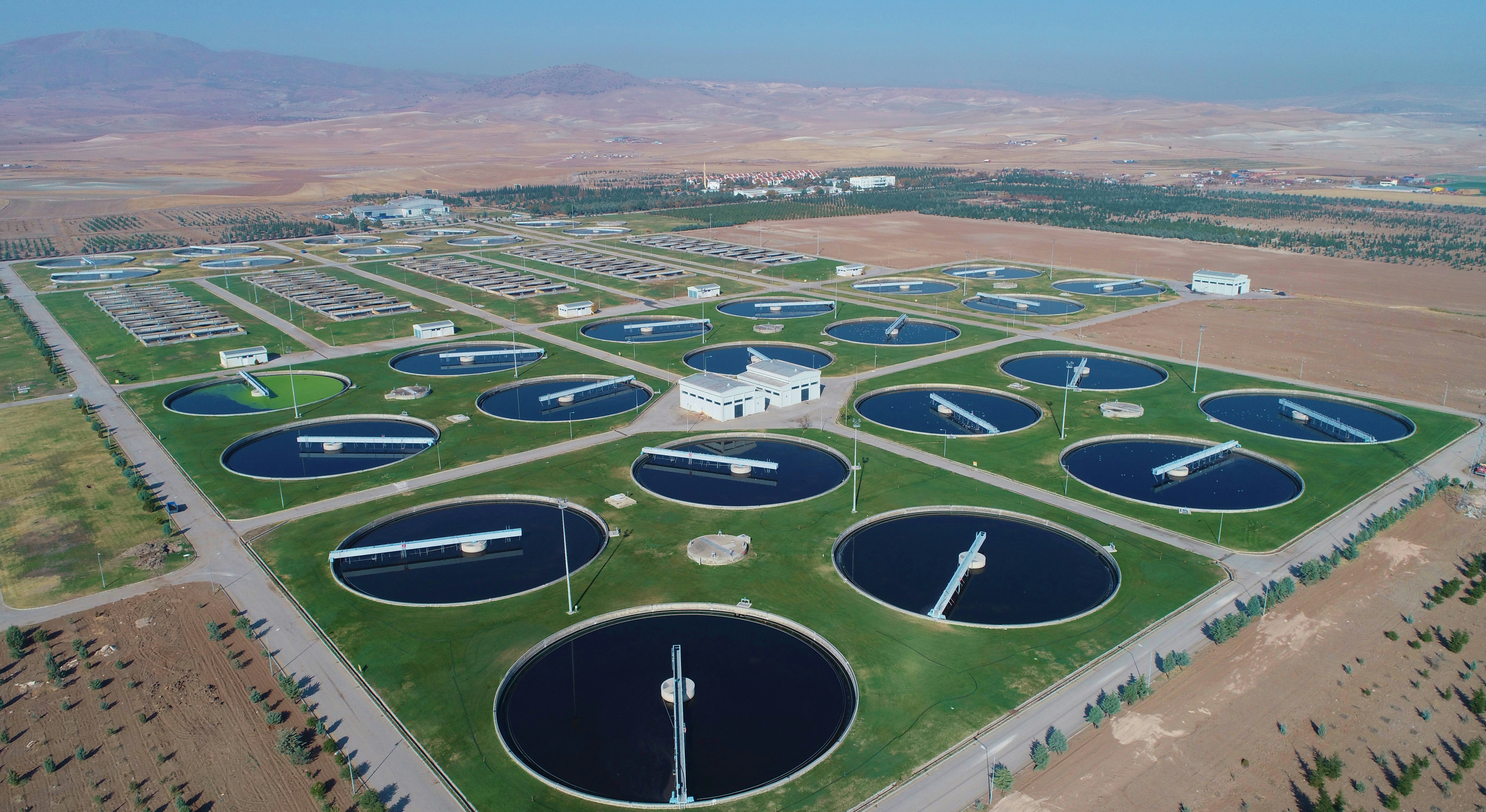
- Water and wastewater: Aging treatment plants and tightening regulation make early involvement useful, and evolving community needs often require design to change during delivery.
- Transportation and transit: Rail, road and airport projects with long timelines and heavy stakeholder coordination suit a phased, negotiated approach.
- Complex buildings: Healthcare, laboratories and higher education work, where technical requirements are involved and change during design.
- Large infrastructure and public-private partnerships: On high-value projects, contractors are often unwilling to fix a lump sum against incomplete information, so a progressively developed price helps keep bidders at the table.
Common challenges
No price at award: The owner carries scope and market risk through phase one. Pricing too early tends to push contingency into the guaranteed maximum price, and pricing too late erodes the schedule benefit.
Reduced price competition: After selection, the owner negotiates with one team rather than comparing multiple priced bids. Some of the price discipline that comes from competitive bidding is traded for the early collaboration and cost transparency this model is built around.
Owner capability: PDB requires continuous design and commercial decisions through phase one rather than review of a finished proposal. Owners without that capacity internally often engage an owner's advisor.
Uneven execution: How well this model works often comes down to how phase one is set up. Misalignment on governance and commercial terms between the owner and design-builder early on could carry through the rest of the project.
Conclusion
Progressive design build is a two phase version of design-build. The owner selects one team for design and construction mainly on qualifications, validates scope, schedule and budget with that team, develops the design through progressive open book estimates, and agrees a guaranteed maximum price or target price before committing to construction in phase two. An off-ramp lets either party step away if terms cannot be reached.
Against fixed price design-build, the model exchanges early cost certainty for owner influence over design and visibility into how cost builds up. Against construction manager at risk, it consolidates the designer and builder under one contract instead of two. Risk is shared rather than transferred, with owners commonly retaining permits, utilities, rights of way and approvals.
The process is estimate-heavy by design, so teams rely on established design, scheduling and cost platforms to keep scope, schedule and budget reconciled as the design moves. It is used most on complex projects in water, wastewater, transportation and large infrastructure.
Frequently asked questions (FAQs)
Is progressive design build the same as design-build?
Progressive design build is a variation of design-build, not a separate delivery family. It keeps the single point of responsibility for design and construction, and changes how the team is selected and when the price is set.
What does the off-ramp mean in progressive design build?
The off-ramp is the ability of either party to end the relationship at the close of phase one if terms cannot be agreed. The owner retains the design work completed to that point and can procure construction separately.
When is the guaranteed maximum price set?
The guaranteed maximum price is negotiated during phase one, commonly once design reaches somewhere between 50 and 75 percent completion, though some owners require design to reach 100 percent first. The point varies by project and sector.
What software is used on progressive design build projects?
Teams generally combine a design and BIM platform such as Snaptrude or Autodesk Forma, a document review tool such as Bluebeam, a scheduling tool such as Oracle Primavera Cloud, and a cost and project controls platform such as Procore or InEight. Model based takeoff supports the repeated re-estimating that phase one requires.
Which sectors use progressive design build most?
Water and wastewater, transportation and transit, complex buildings and large infrastructure projects are the most active sectors. These are projects where scope is hard to fix at the outset and early contractor input carries clear value.