


Last week, over a long-haul flight, I’ve turned the last page of “Maintenance of Everything, Part One” - Stewart Brand’s newest masterpiece on the history and importance of maintenance for modern life. It’s not exactly brand new (has come out in mid 2025, which these days is a long time ago) and it’s published by Stripe Press.
No other book has ever inspired me so much that I felt the urge to publish a short list of thoughts in order to - self-interestedly - cement in my memory what Brand has beautifully captured in this tiny 200-pages wide-spaced book.
The credit for getting my hands on it goes to my colleagues at Foundamental who gifted me this volume for my birthday - I suspect Irénée Martre is the mastermind behind this pick. Thanks guys!
I want to leave here a few more-or-less interrelated thoughts that come from Maintenance of Everything in the style that its author has devised: visual-rich, hyperlink-heavy and loosely structured by topic.
Maintenance is what keeps everything going
It really is!
Living and non-living things need to be maintained or to maintain themselves. Doing so is tiresome, quite unrewarding and often boring. The paradox of maintenance is that maintenance is absolutely necessary, yet maintenance is optional. If maintenance isn’t chosen, its need accumulates silently until systems break.
One way Brand tries solve this duality is to expand the term beyond its common meaning (ie. preventative work to reduce likelihood of costly repairs) towards “the process of keeping the thing going”. Occasional repairs and close monitoring are simply part of the process, as well as eventually replacing the thing. In this sense, maintenance of the thing stops being optional and is just as obvious as the use of the thing.
As such, learning about maintenance becomes key for people building systems (and people investing in these people alike). The arc of facts and concepts that I want to engrave in my mind reads something like:
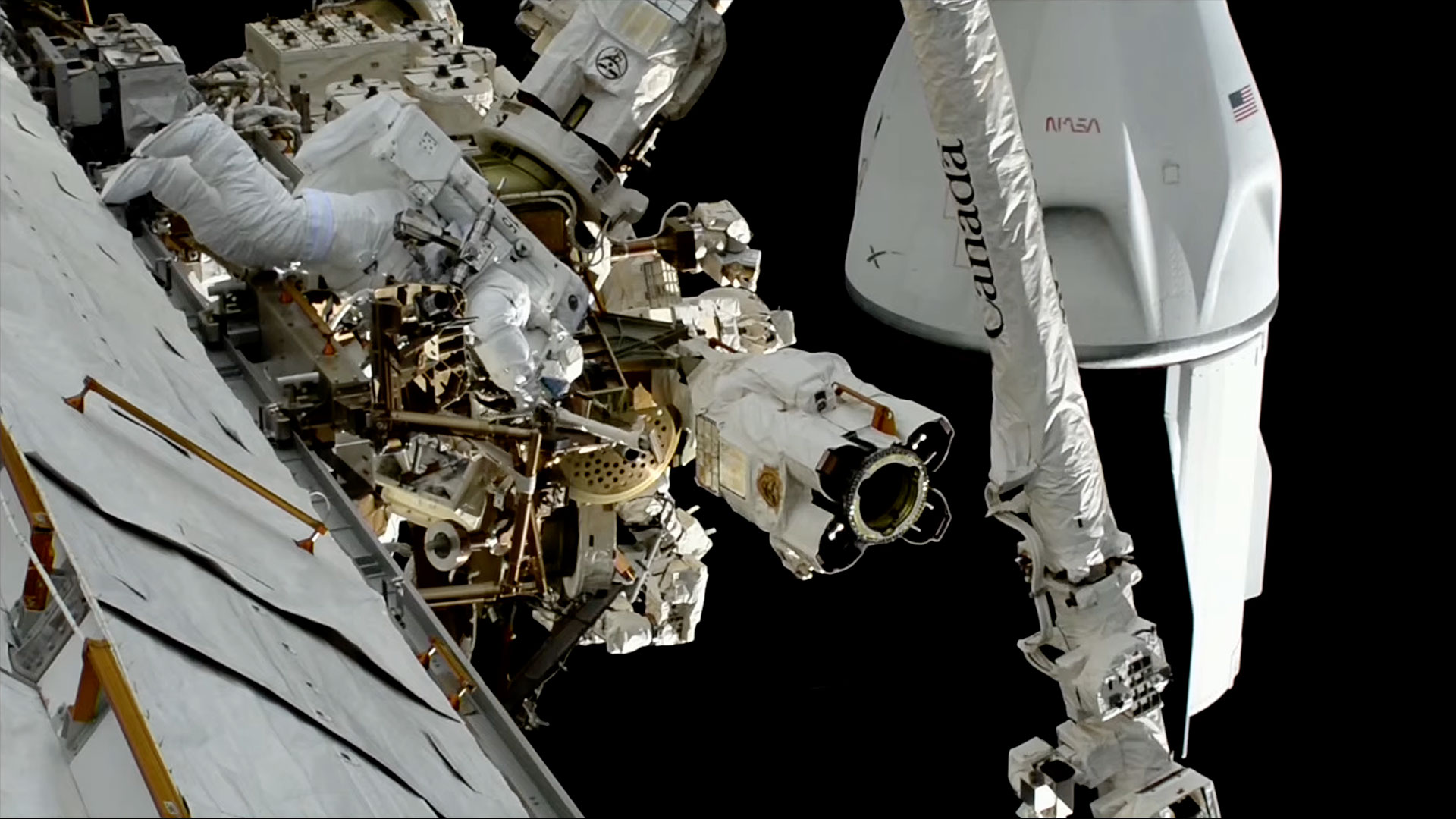
- The maintenance Champions’ League is played at the extremes, where life-threatening conditions mandate that humans protect their fragile bodies with well-maintained vessels. Aviation, space, maritime navigation are prime examples. Take the ISS, the single-most expensive and ambitious endeavor of our species: keep a small crew of humans alive in an orbiting tin can where a thin layer of metal and composites separates them from certain death. Also, do that for almost 30 years continuously without leaving the tin can unmanned.
- Maintenance of the ISS requires astronauts to venture outside of the station to perform Extravehicular Activities (EVAs) to repair or install equipment that keeps the station going. They do so, floating in open space tethered to the station. Maintenance is an courageous endeavor!
- Yes, Space is cool, but the most incredible maintenance stories live in the past, where information technology and modern communications couldn’t help maintainers leverage other people’s knowledge while problem-solving for their lives. Brand dedicates an entire chapter to the Golden Globe around-the-world solo sail-boat race of 1968 where sailors would sail from England down the Atlantic and round the Southern Ocean to then sail up the American continent before returning to England. Alone, no GPS, no electronic autopilot, not allowed to stop onshore with every component of the sailboat stressed for months on end in some of the roughest conditions on the planet. As you my imagine this turned out to be a maintenance race, where the two fastest competitors (go read the book if you want the details!) were either (1) maintenance-obsessed or (2) had built their boat personally with minimal maintenance needs.


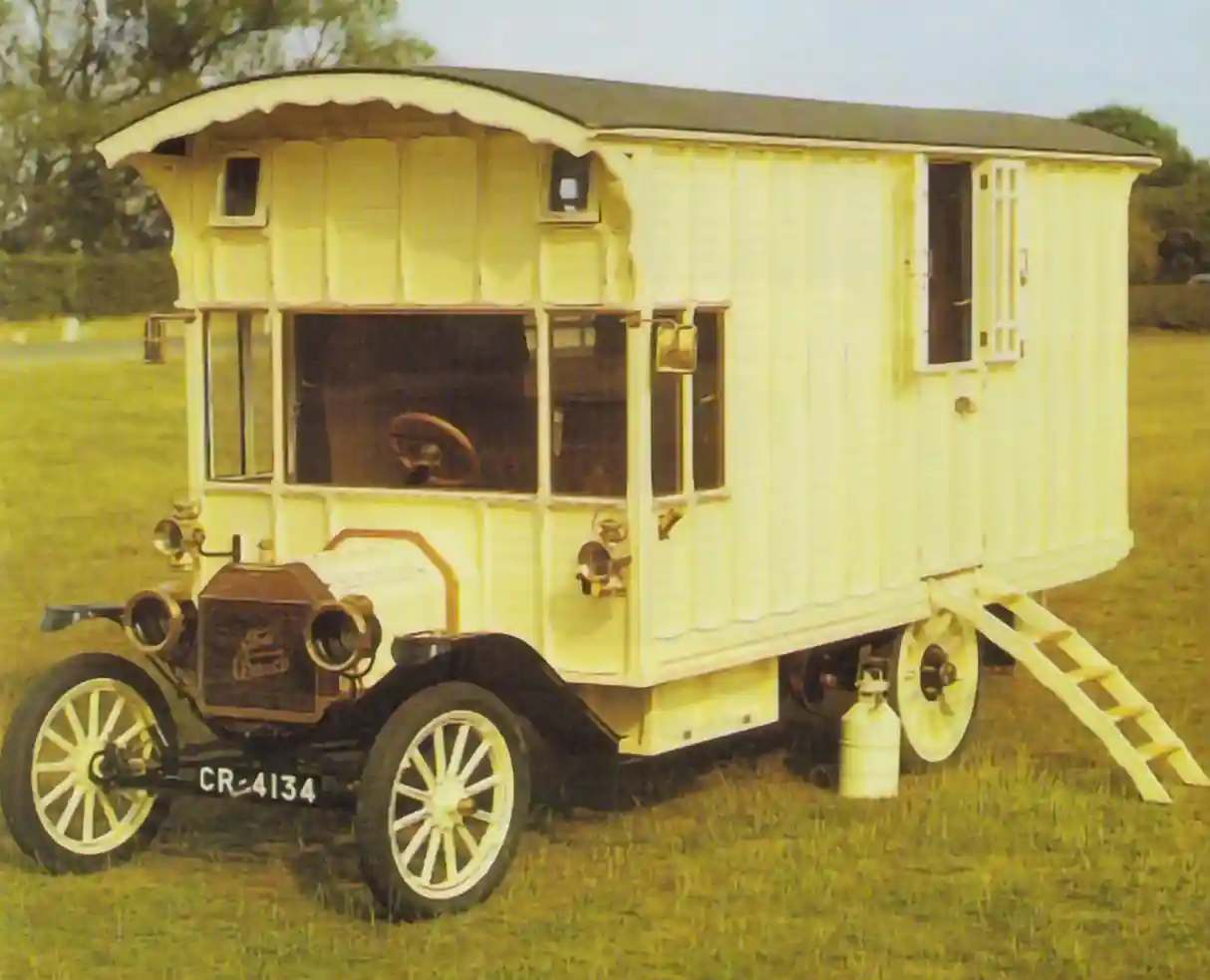
- The power to maintain is the power to improve. The first mass manufactured car - the legendary Ford Model T - came with extensive customization options and for the first time, an entire economy was built on mods, spare parts and tools to operate on the car. Modularized base models meant that the Model T could be transformed with tractor conversions, snowmobile kits, boats, even scrappy airplanes. Today, we’ve almost completely lost the culture to self-maintain cars to improve them and we instead treat them as finished products that we expect to work until a mechanic is needed. This cultural shift naturally makes the product landscape gravitate towards lower-durability products and business models that optimize profits with expensive black-box servicing and part changes.
- Technical manuals are hidden cultural artifacts and become levelers to break class barriers by handing expert knowledge to ordinary people. “RTFM, Read The Fucking Manual” is a maintainer mantra that speaks quite well to my engineer-y stubbornness.
- Diderot’s Encyclopédie: dignifying the craftsman’s work; Diderot visited workshops and wrote under dictation from the workers themselves.

- Culpeper’s herbal and midwifery books: defying the physicians’ Latin code that acted as a barrier from the populace; priced at three pence so anyone could buy them.

- The single most important manual for nerds in the digital age is FUTO’s Introduction to a self-managed life. Build your own router, your own cloud, your private smart home system!
- Youtube + Amazon + LLMs is the powerful combo that is democratizing repair for everyone in the modern world. Take charge of your stuff!
- Precision manufacturing is a maintenance story.
- The original motive for manufacturing precisely was always repair. It started as: weapons with parts so interchangeable that soldiers could fix them in the field. The most humiliating American defeat (Bladensburg, 1814) hardened that resolve and indirectly allowed legendary corporations like Colt to exist.

- France got to that insight before the Americans with but then aborted the process of modernization on cultural grounds. The sansculottes smashed Blanc’s workshop (Rousseau’s romanticism bashing Enlightenment rationality, - read this one, you can find it for free online!). “Technical amnesia” cost France the early Industrial Revolution. Brand. The gunsmith guild protected a few at the expense of the many who got shoddy, expensive guns.
- Fast forward 100+ years later and the difference between the maintainability and reliability of AK-47 (Vietnam’s resistance issue weapon, manufactured by the Russians) vs. M16 (the American issue rifle) explains the loss of life of thousands of American soldiers.
- Low maintenance sells: EVs were always low maintenance, way before Tesla! Detroit Electric Model 47 was a pre-Model-T clunky step into the electric automobile direction. Unfortunately for the category, decent energy density was a problem that would only be solved 90 years later and the early EVs never got to compete with ICEs. Nevertheless, maintenance for the DE47 and her fellow early EVs was easy and light work! DE sold 13,000 cars by the 1930s (it’s a lot!).
Modern electric motors are nothing but simple. What’s Inside does an insane teardown of a Tesla engine!
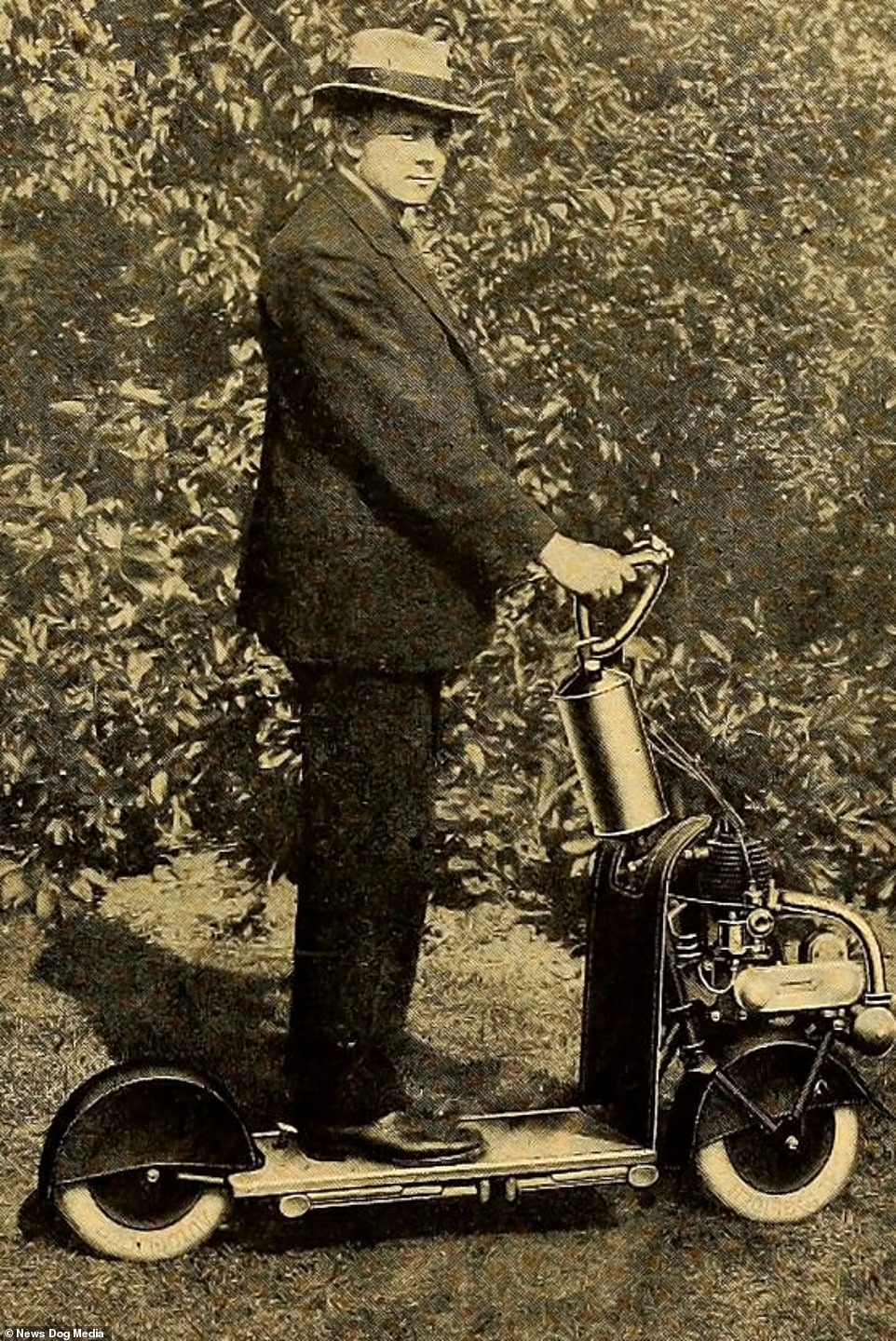
- Electric scooters were called Autoped when they hit the streets of London in… the 1910s. It took more than a century for this asset class to evolve into a commodity that can be rented at a profit for its providers (which is a great proxy to evaluate the maturity of a technology, most robotics isn’t there yet, for example).
- Today, Lime - leveraged by Uber’s unmatched distribution machine - has built an asset-sharing model that stands the Test of Net Profit by hyperfocusing on low maintenance costs with rugged, modular and easy to repair scooters/bikes as well as a highly effective field operations team that handles battery swaps and repair logistics citywide.

I know that all of these were somewhat disconnected thoughts but you can probably appreciate why they stuck with me.
Not only maintenance is the quiet, unglamorous work that keeps everything alive but it also underpins directly technological innovation!
The maintenance mind
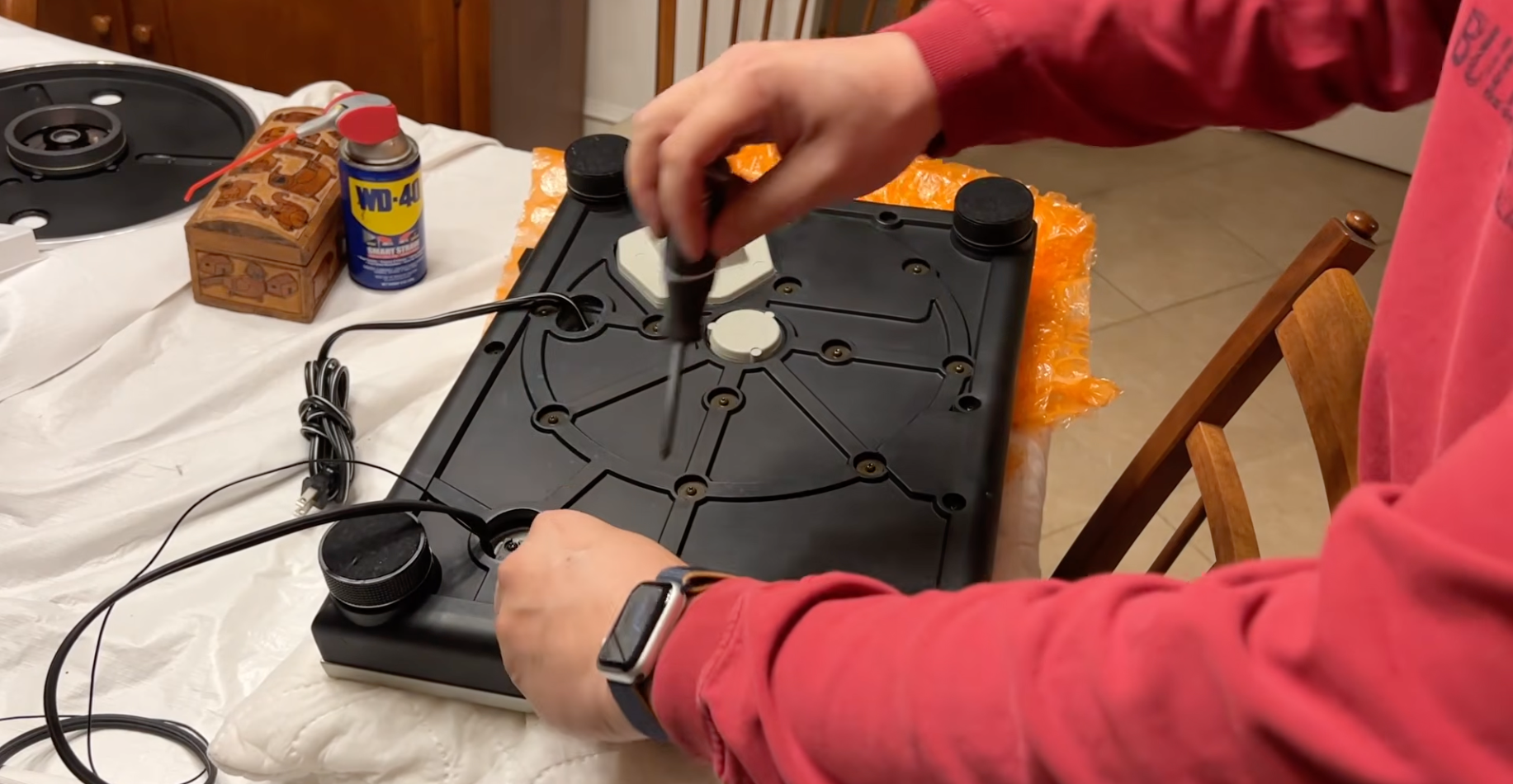
A lot of what we mentioned above is purely cultural. It takes a very intentional choice to flip your $2000 Technics turntable and try to fix it on your own or to start your own bee farm in your backyard.
In our age, culturally, maintenance seems to be squeezed between two high-inertia phenomena:
- On one side, the “silent army” is aging out. The median U.S. construction worker is now about 42, roughly a year older than the overall labor force, and more than one in five construction workers is over 55; about 39% of U.S. facilities managers are over 55, versus 28% across all occupations. Roughly five tradespeople retire for every two who replace them!
- On the other, fewer maintainers and more aging stuff to maintain. About 53% of U.S. commercial building stock was built before 1990 — the assets and the workforce are aging in parallel, so maintenance becomes the binding constraint on progress, not a footnote
I picked US data because it’s better data, but above holds for the rest of the West at the very least.
There’s a positive catch though! Call it a boomerang hitting back from some very consequential 1971 decisions, call it realization that higher education has been progressively losing its ROI, a reversal of the first side of the squeeze may have started: in the US, in 2024, WSJ observed a 23% jump in trade-program enrollment, and the share of teens considering vocational school more than doubled, from 12% in 2018 to 30% in 2024. Median age of carpenters and electricians is actually falling.
Yet, a lot of work needs to be done to reverse the cultural stigma and unsexiness of maintenance work.
Mind that this is nothing new, the main motive behind Didierot’s Encyclopedie was to dignify the craftsman that the elite despised.
This time around, the shape of the demographic pyramid, combined with the state and ownership structure of assets, combined with a tighter entry-level labor market for knowledge work, combined with decreasing ROI of higher ed may just do the trick.
Scarcity → wages up → status revaluation → talent inflow → dignity restored!
Maintenance work getting repriced upward is a redistribution of dignity and income to the overlooked. In this sense maintenance is a true cultural progression tool!
The key bottleneck to the redistribution flywheel still seems to stands with education and training. What solves it may look very different from the past, may be very tech enabled and contribute to make maintenance work feel like modern work.
What won’t change is that most of that training work has to happen inside production companies, close to the systems that need maintenance (which is why universities never worked for maintenance, it’s so hard to abstract a curriculum of lectures for it!). Platforms that make maintenance knowledge buildout and transfer work better are already being valued as the sticky, critical products they are. Just look at the multiple Autodesk acquired MaintainX for and how much ServiceMax weighs on PTC’s profitability!
I will RTFM
Reading Brand and writing this piece have actually motivated me to start changing my posture towards the world: I’ll do my best to resist the modern urge to treat everything as a black box.
Every manual read is a small act of reclaiming agency. So (I tell myself) “Read The F***ing Manual!
For more content like this, follow me on LinkedIn and Substack.